IHOP Sign and Dumpster Pad Pressure Washing in American Fork
For a restaurant like IHOP, the outside of the building is the first thing every customer sees. Cobwebs packed into sign letters, grime baked onto concrete - it adds up fast. And when you're open 24 hours, there's never really a slow moment to deal with it. That's where we come in.
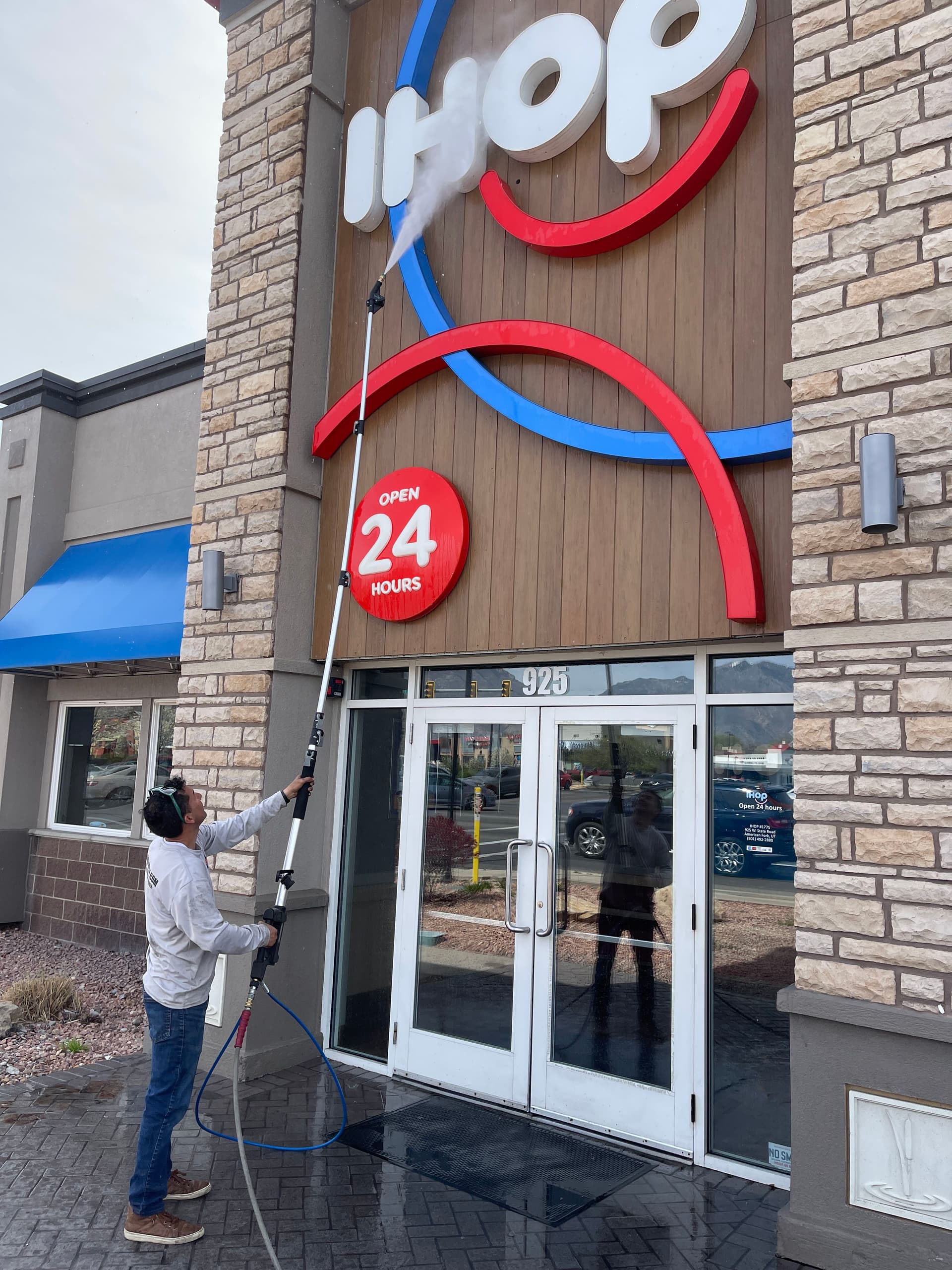
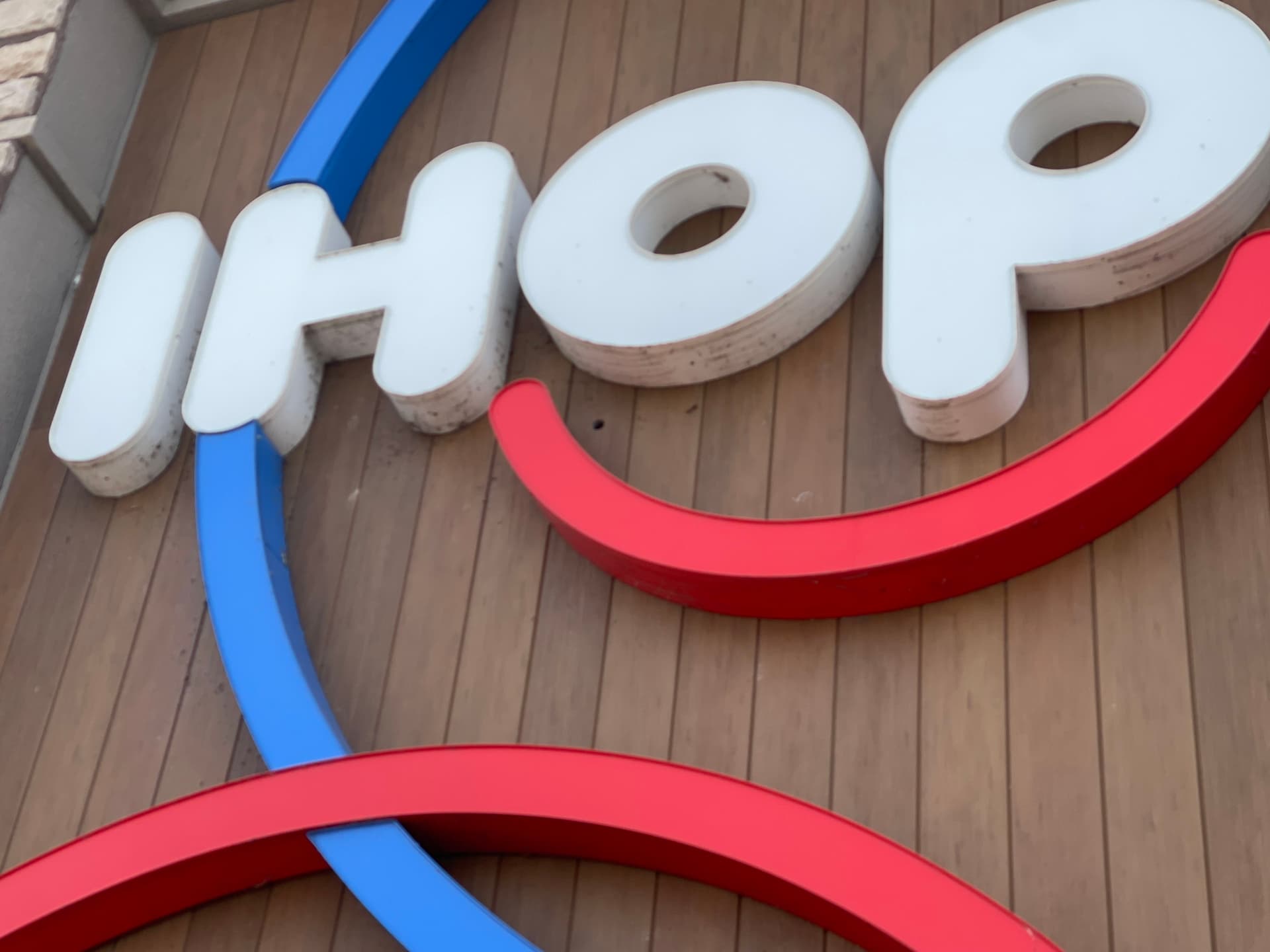
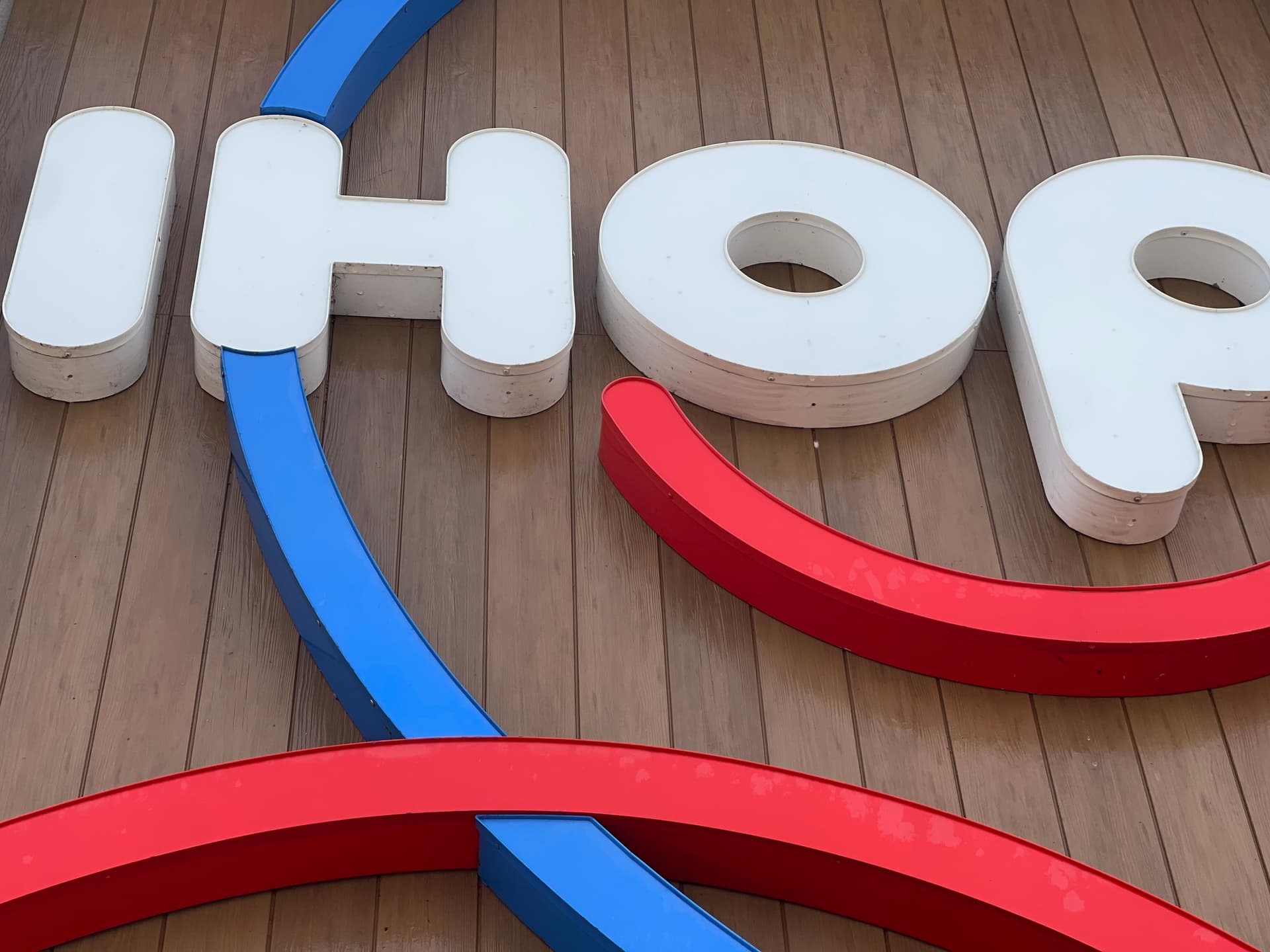
We tackled the front sign first, using an extension wand to blast out the built-up grime and spider webs sitting in and around the lettering. Getting up high on a building like this takes the right equipment and a steady hand - a standard pressure washer wand just won't cut it at that angle and height. The goal is thorough cleaning without pushing water into areas that could cause damage.
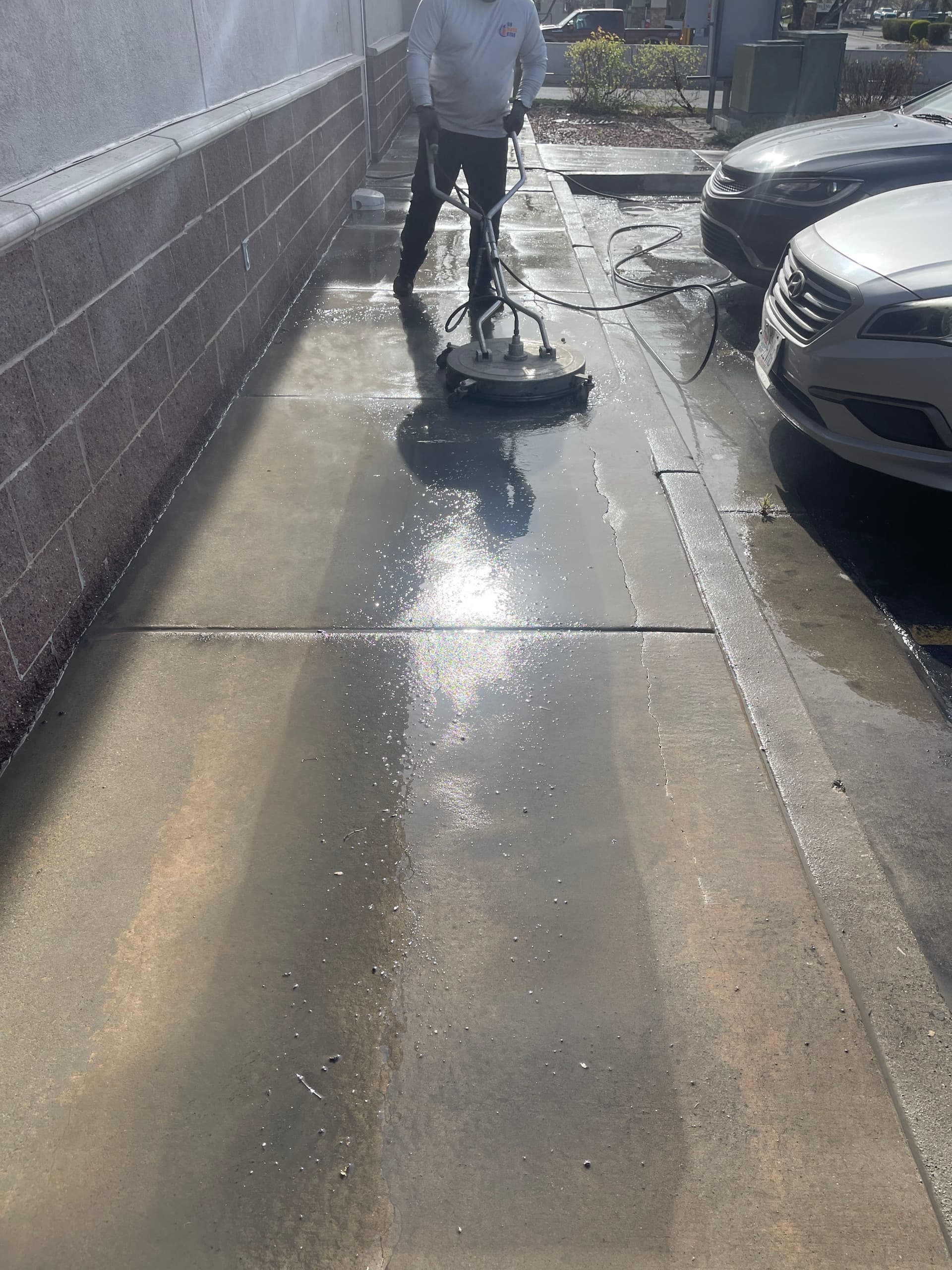
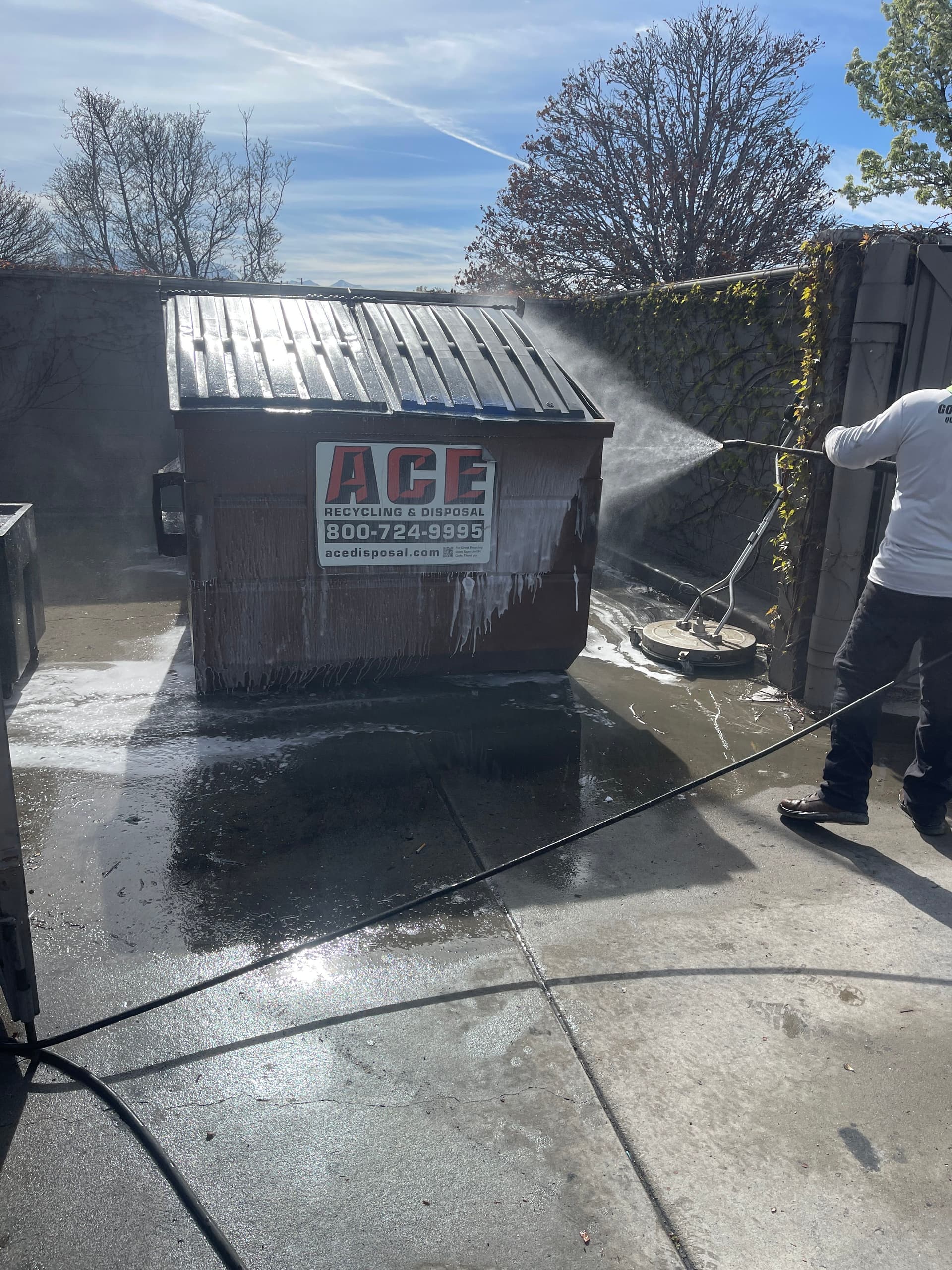
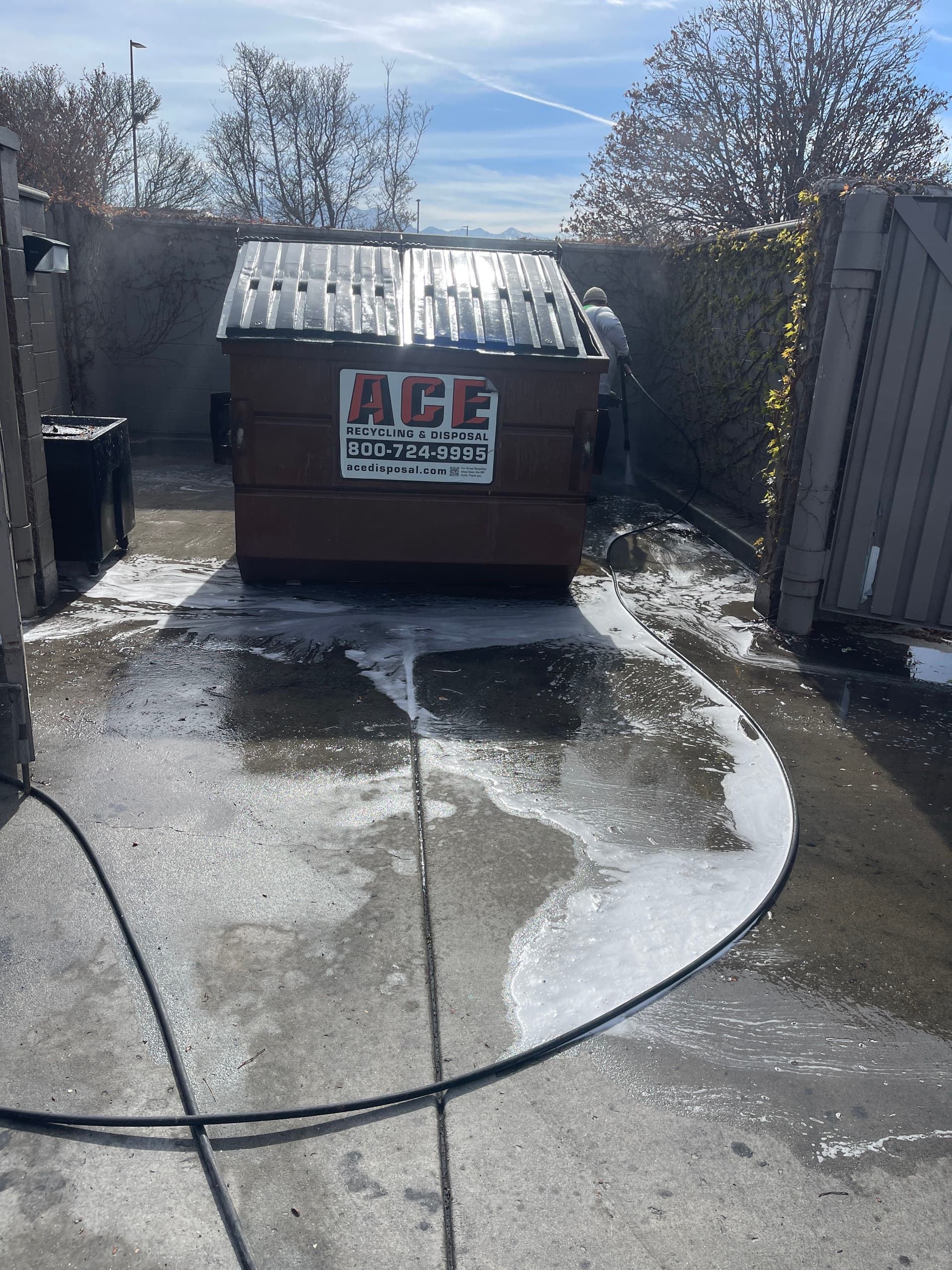
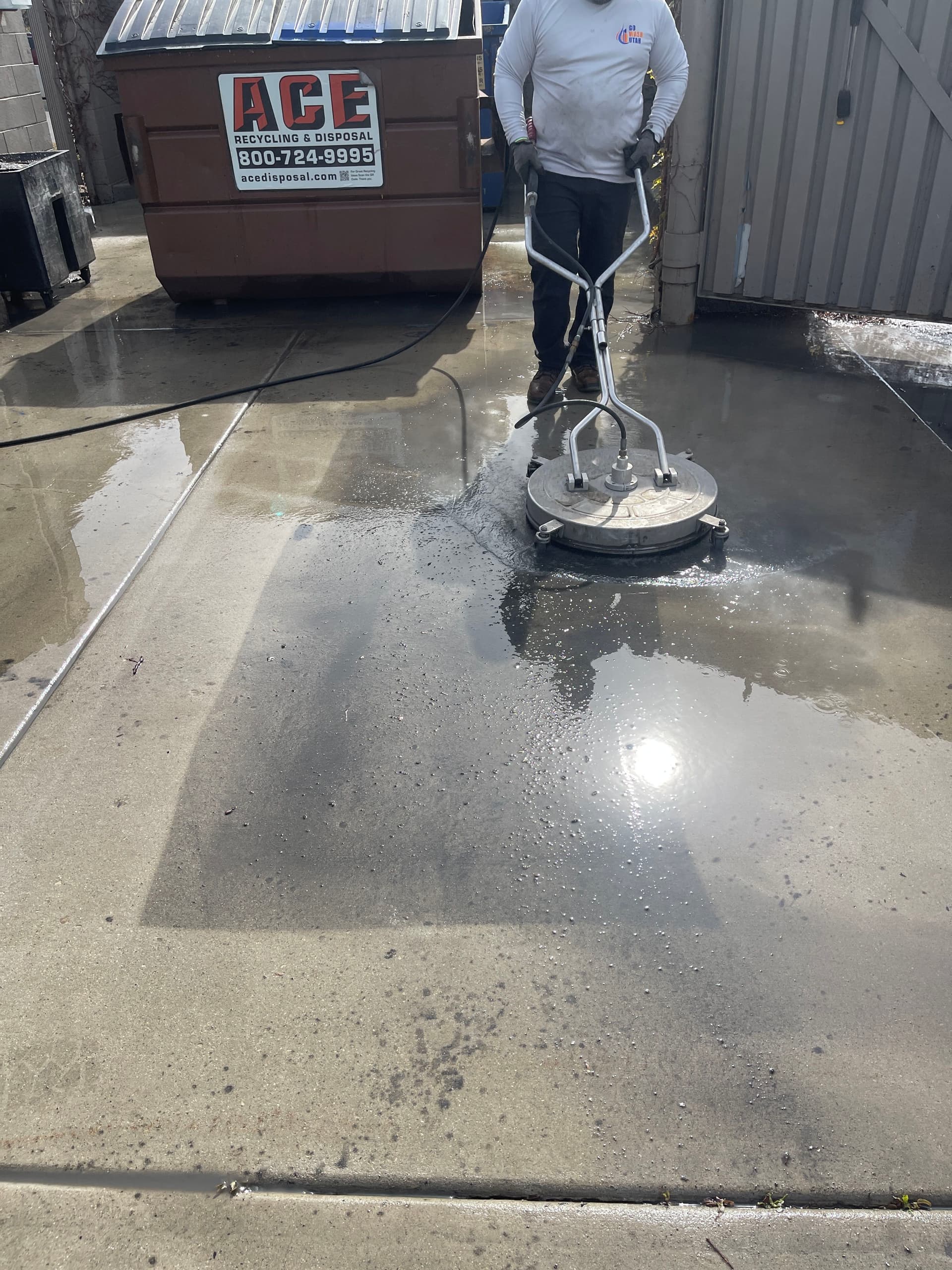
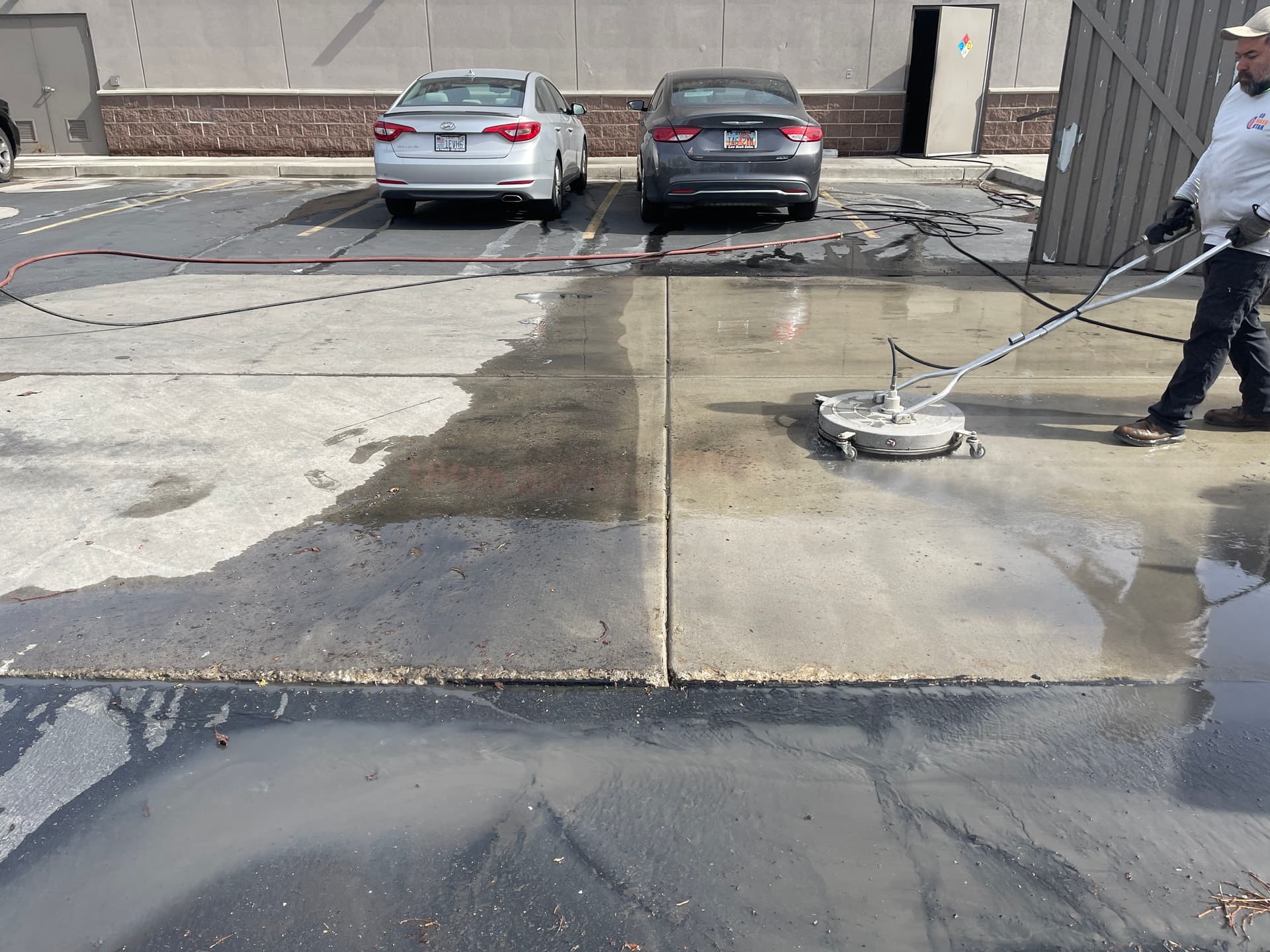
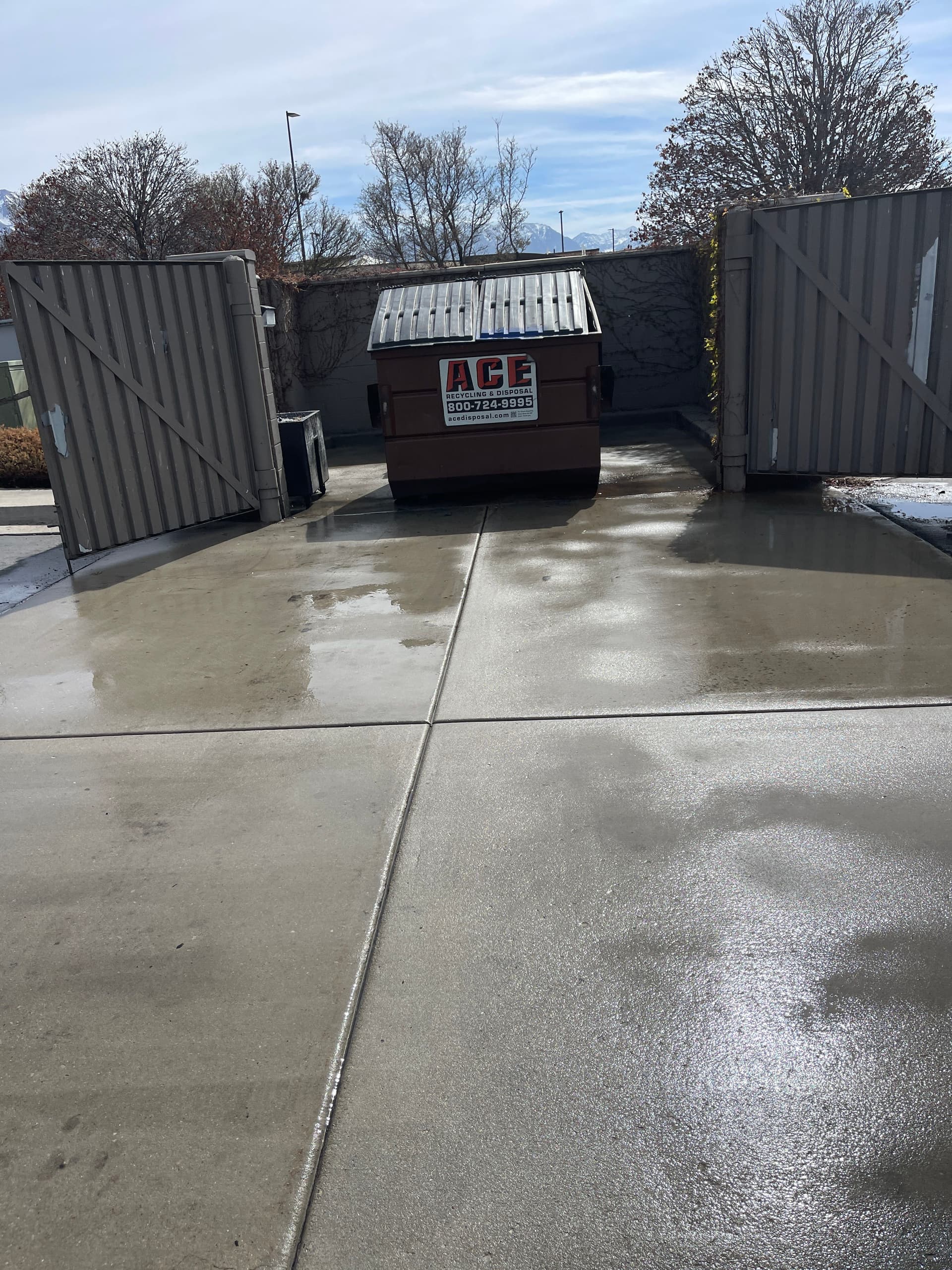
From there, we moved to the dumpster pad. This is one of the most neglected spots at any restaurant. Grease, food waste, and general buildup turn dumpster pads into a serious odor and sanitation problem over time. We used a surface cleaner to work the concrete - that's the round spinning tool that keeps the cleaning even and stripe-free. It pulls the grime up instead of just pushing it around.
The difference between a dirty dumpster pad and a clean one isn't subtle. It's the kind of thing health inspectors notice. It's also the kind of thing that affects how your staff feels about the space they're working in every day. A clean pad just works better - fewer pests, less odor, and a lot less buildup to deal with next time.
Restaurant pressure washing and dumpster pad cleaning are two services that go hand in hand for any food service location. Whether it's a national chain or a local spot, the exterior and back-of-house areas deserve just as much attention as what's happening inside.