Hydraulic Oil Stain Removed From South Jordan Driveway
Hydraulic oil is one of the nastier things that can end up on a concrete driveway. It soaks in fast, spreads wide, and regular pressure washing alone won't touch it. Just blasting water at it will move the surface grime around, but the oil that's already bonded to the concrete? That stays put.
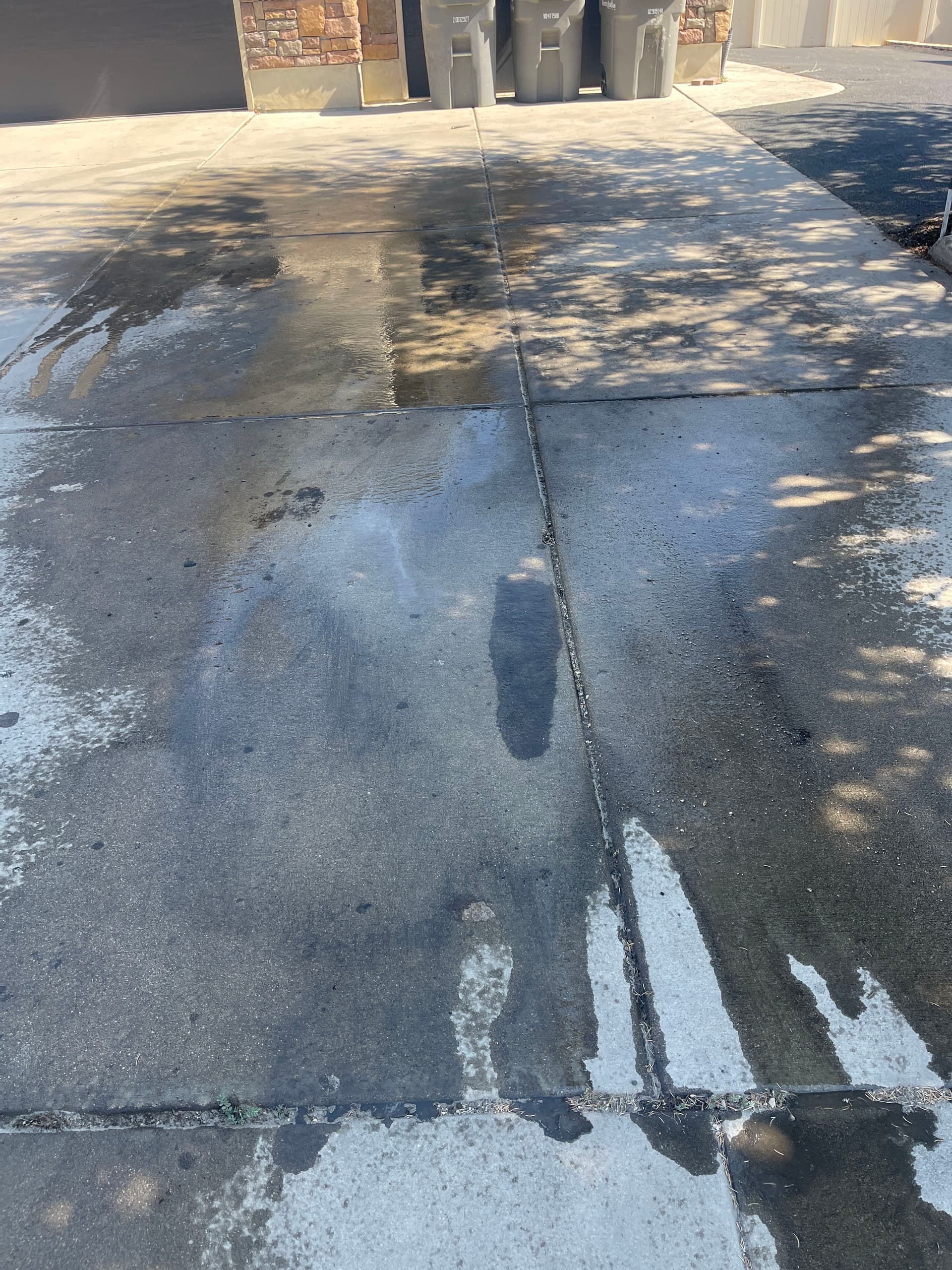
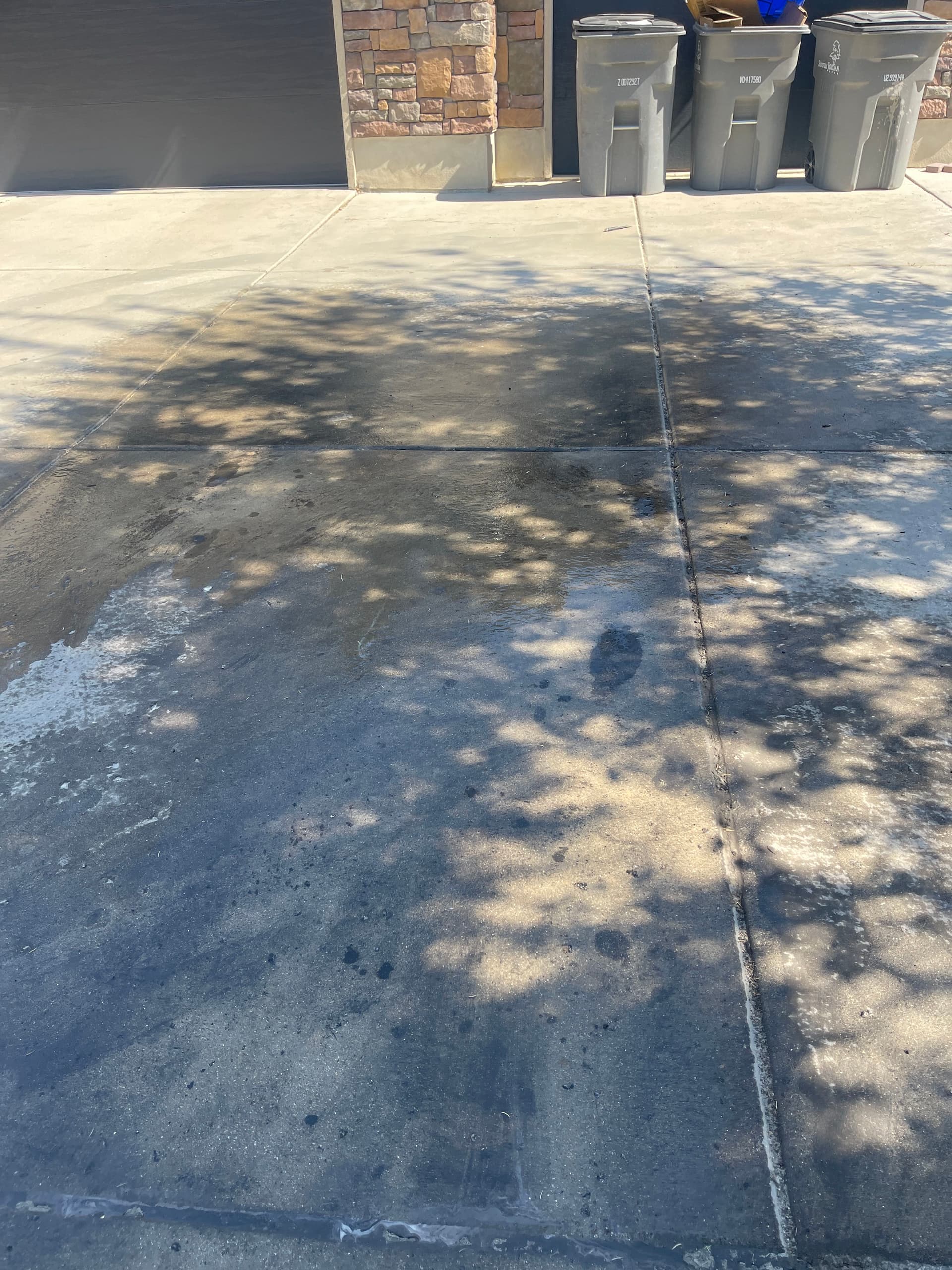
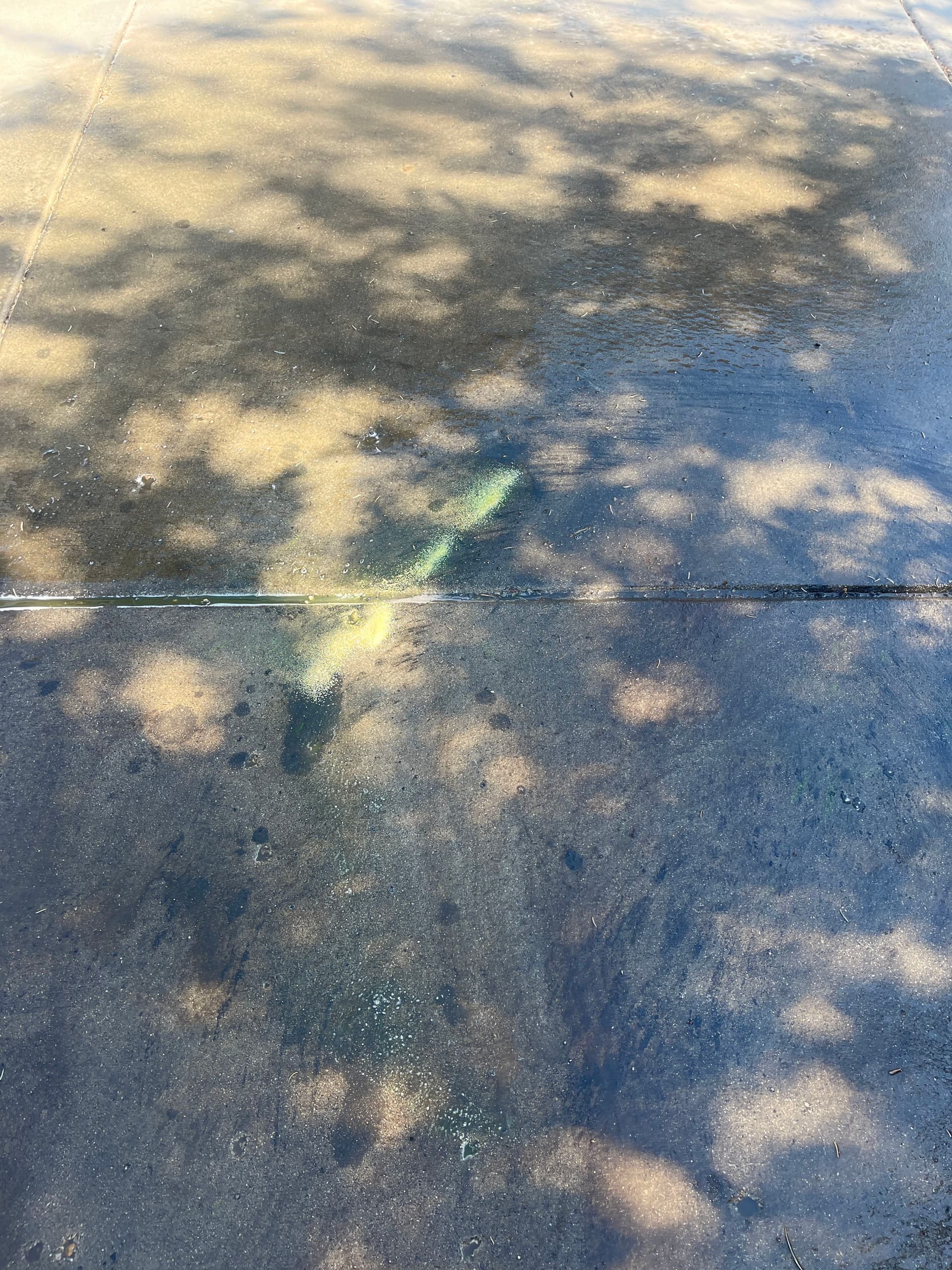
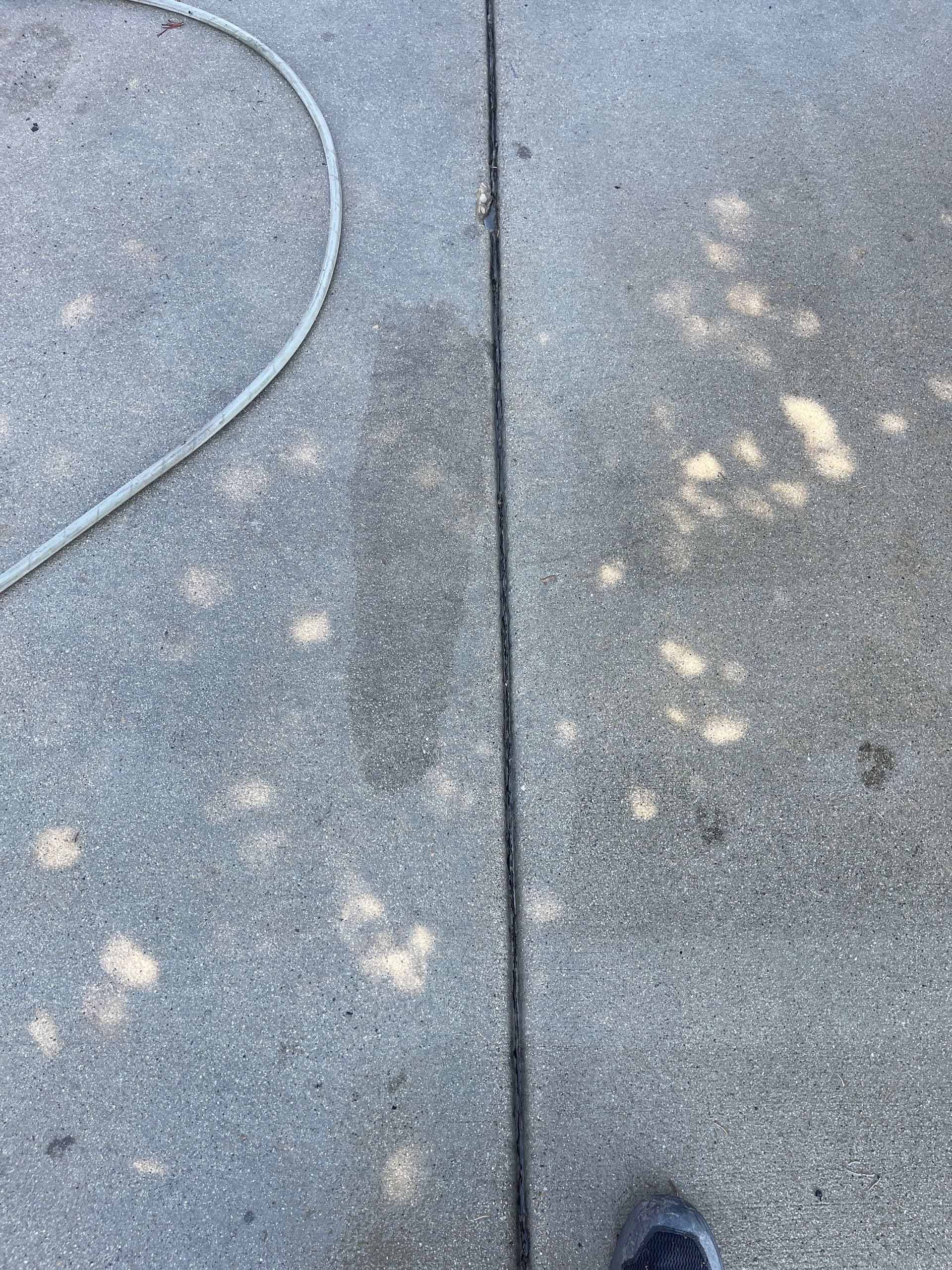
Here's what we were working with on this one - a stubborn hydraulic oil stain sitting right in the middle of the driveway. You could see it spreading across multiple slabs, that dark, greasy shadow that just doesn't go away on its own. The longer oil like that sits, the deeper it penetrates. That's what makes these jobs tricky. It's not just a surface problem.
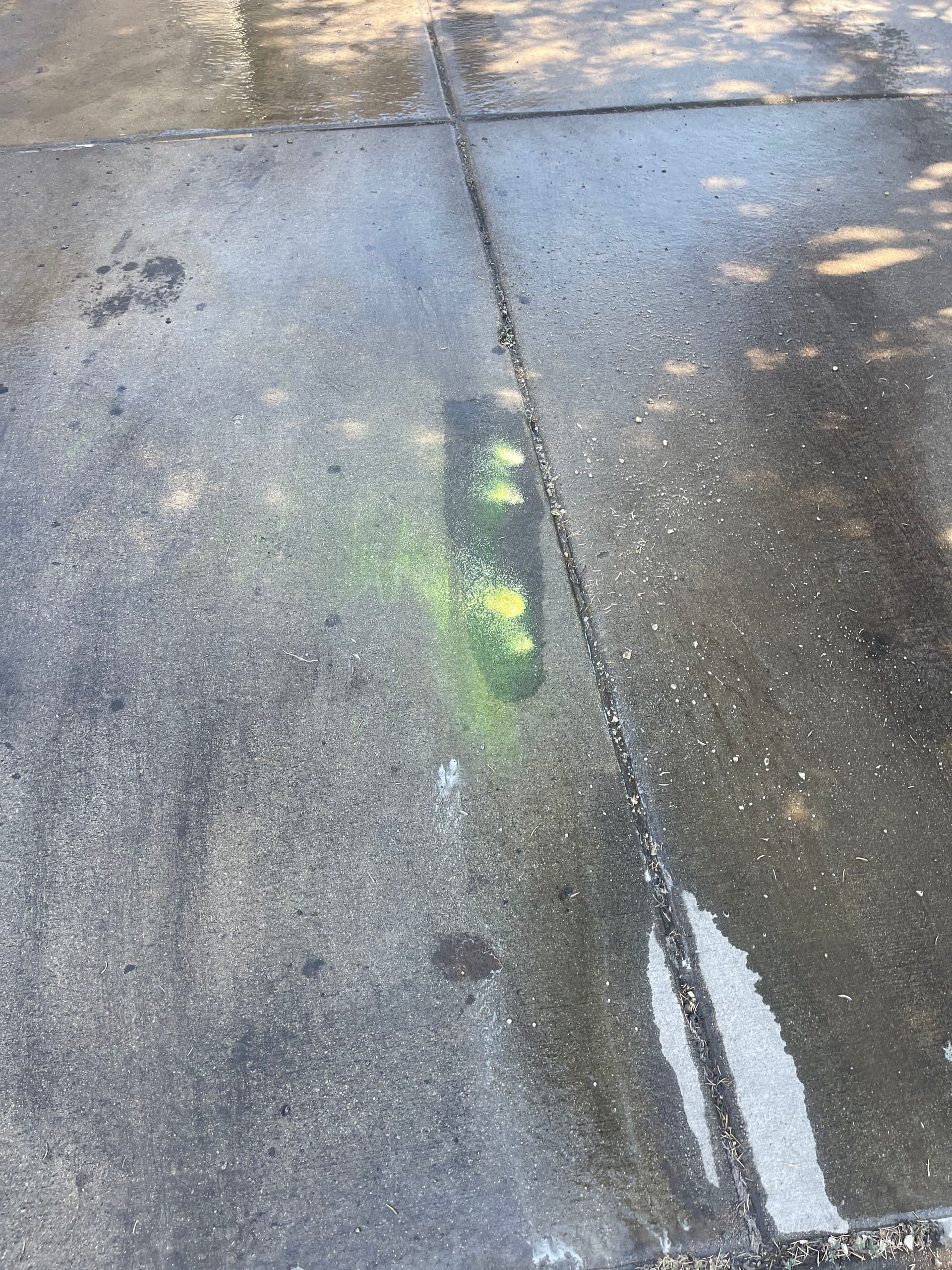
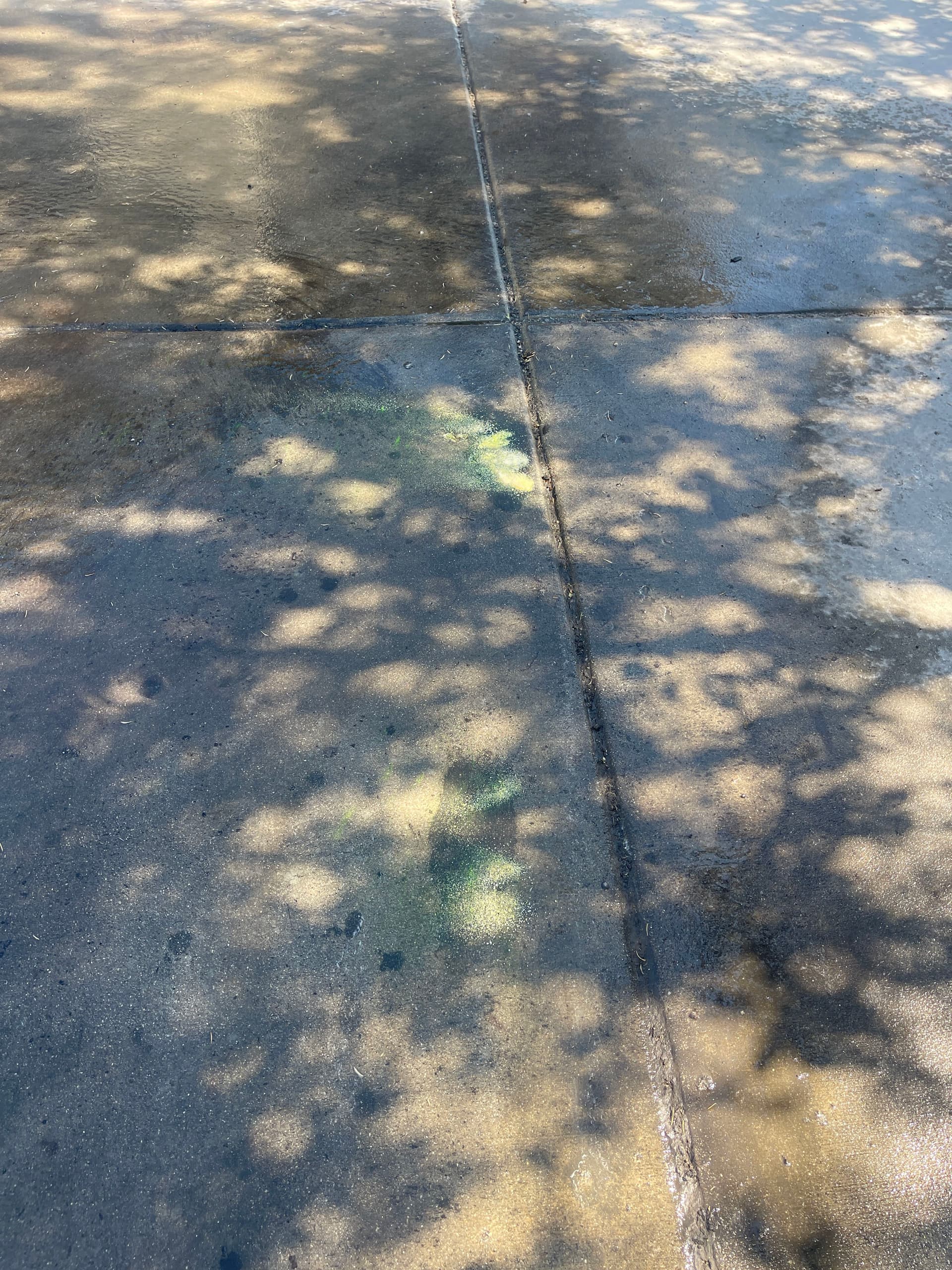
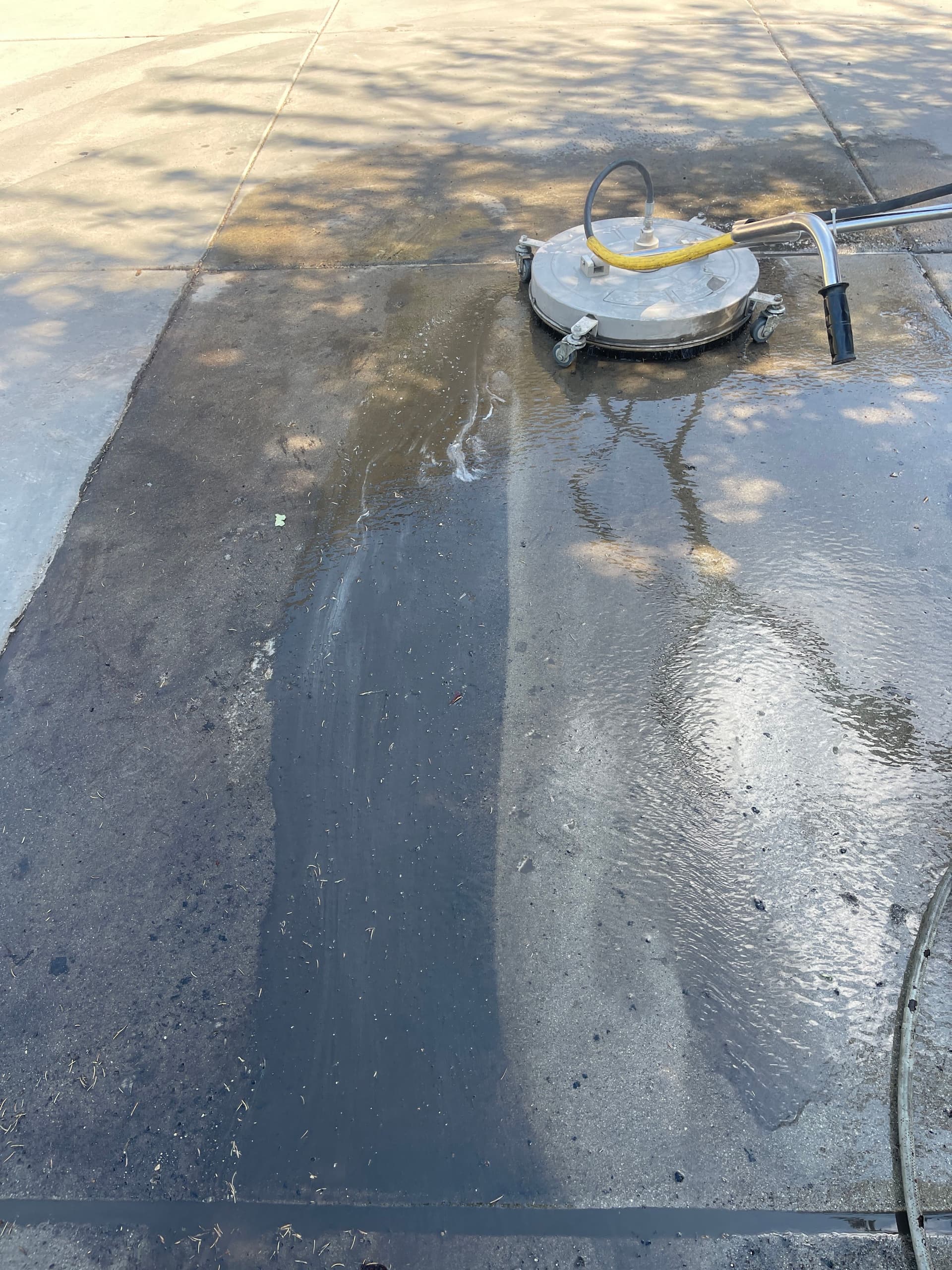
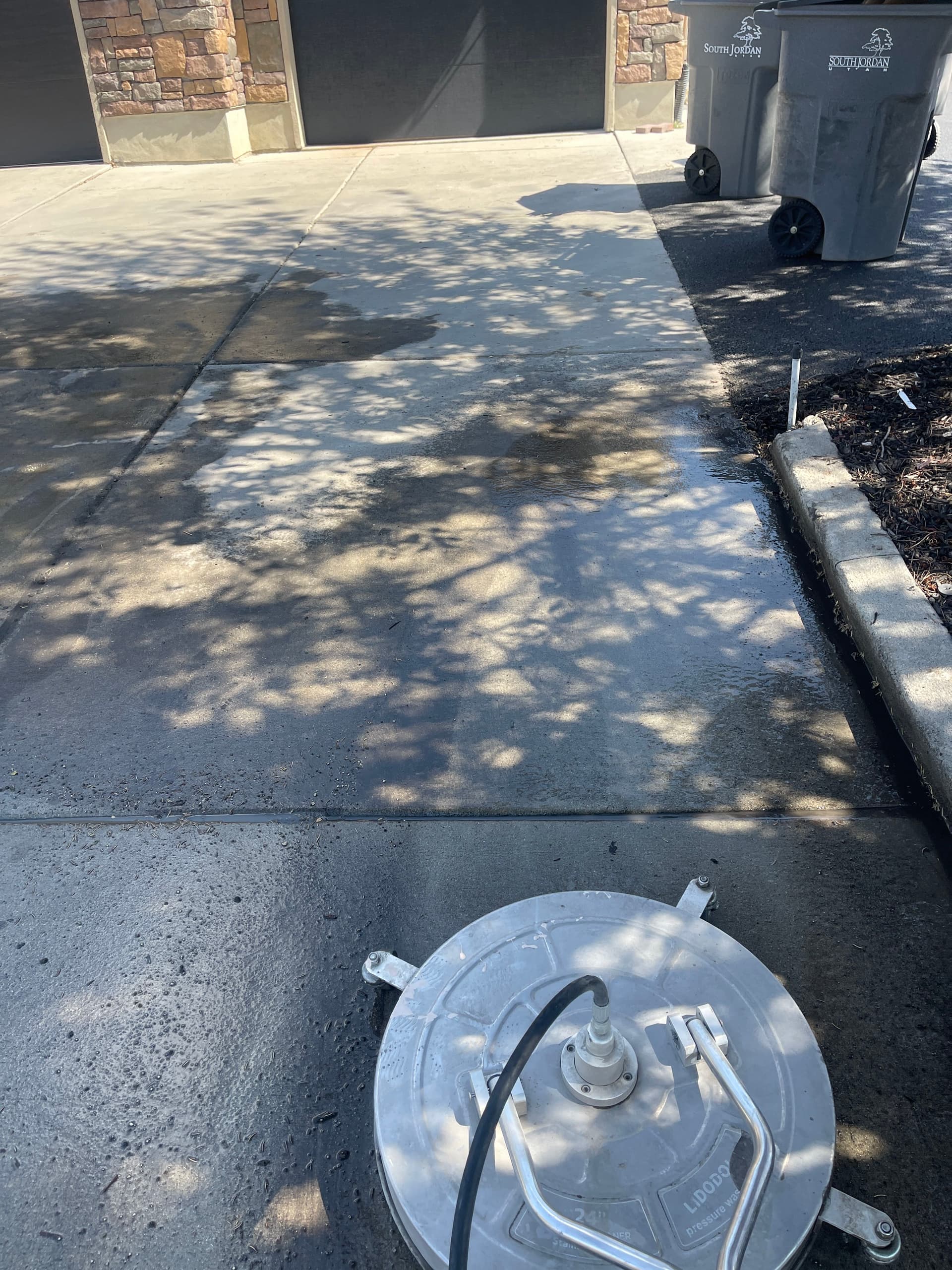
The right approach with oil stains is treatment first, then cleaning. We applied a degreaser to break the bond between the oil and the concrete, let it do its work, and then came back with the surface cleaner to wash everything out. That flat, round surface cleaner attachment is a big part of why we get even results - it keeps consistent pressure across the whole slab instead of leaving streaks or high-pressure lines.
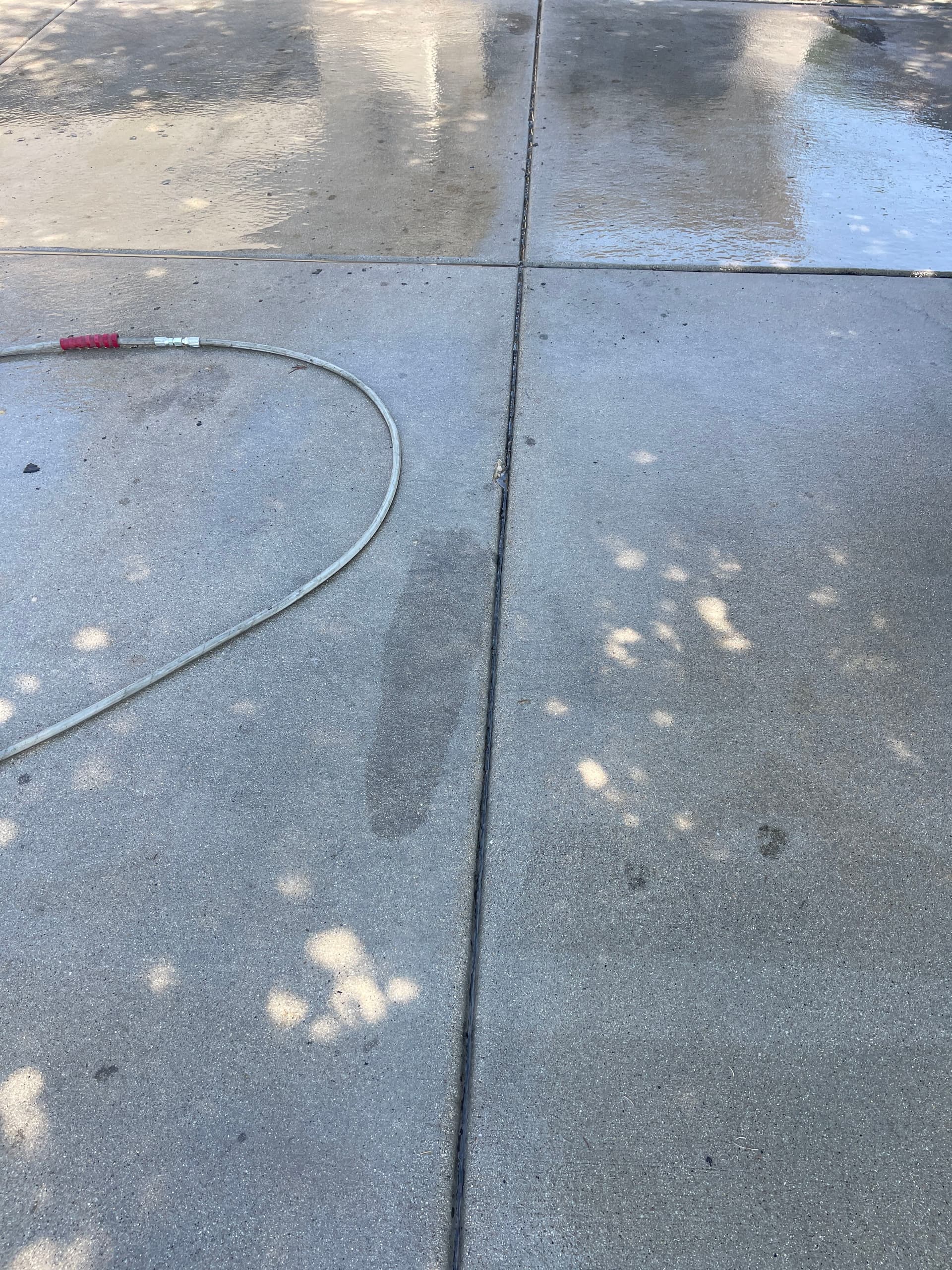
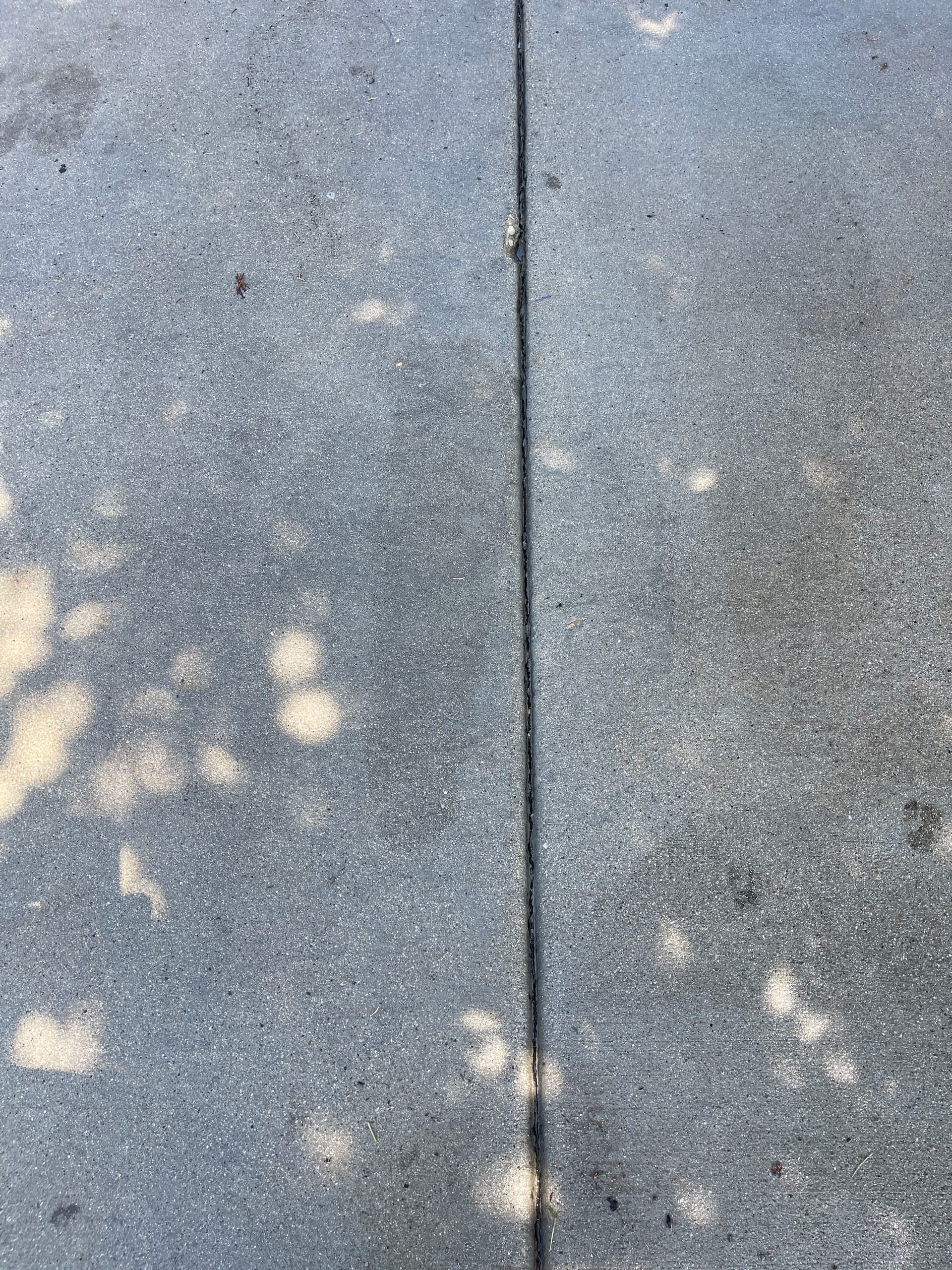
You can see the progress through the cleaning stages as the stain lifts and fades, and what you end up with is a driveway that actually looks like concrete again - not a slab with a permanent dark cloud sitting on it. The difference between doing this right and just running a pressure washer over it is significant.
The main takeaway here is timing. Oil stains that sit for weeks or months get harder to remove. The sooner you tackle it, the better your results will be. Our concrete pressure washing process is built to handle exactly this kind of stubborn stain - not just surface dirt, but the stuff that's actually worked its way into the material.